
In bioreactors, microbial culture and cell culture use the same core controls, pH, temperature, dissolved oxygen and agitation, but they behave very differently in practice. The biology behind the process changes the whole operating strategy.
Microbial processes usually grow fast, tolerate stronger mixing and demand high oxygen transfer. Cell culture is slower, more shear-sensitive and needs tighter control to protect viability and product quality. That difference affects media, agitation, aeration, monitoring and scale-up.
The same stirred-tank platform can be used for both microbial culture and cell culture, but the process logic is fundamentally different.
Organism types, prokaryotes vs eukaryotes
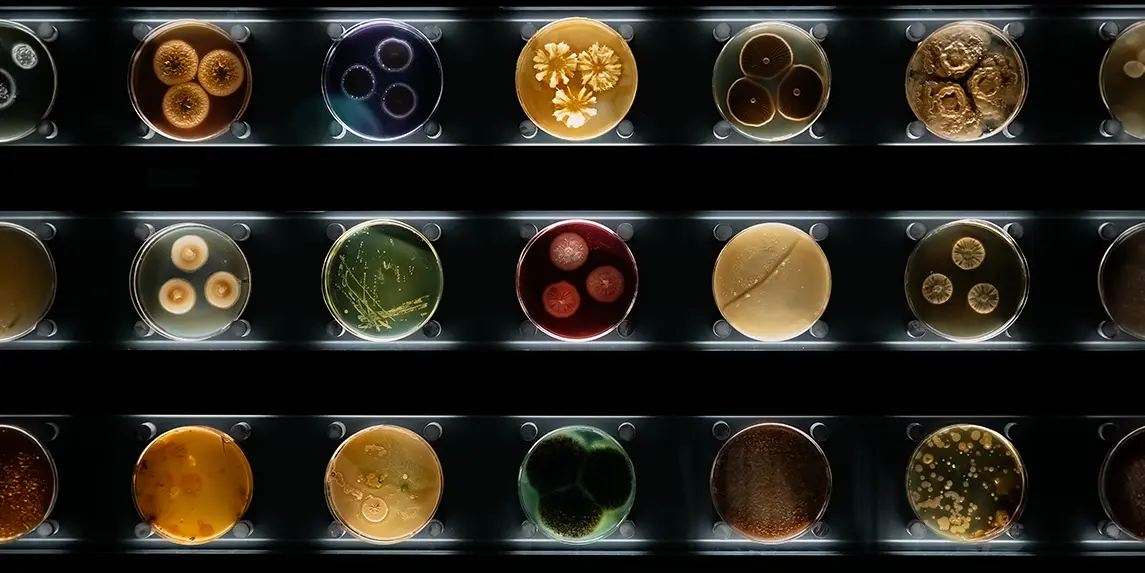
Microbial culture typically uses bacteria or yeasts. Bacteria are prokaryotic cells with simple internal structure, small size and very fast growth. Yeasts are eukaryotic microorganisms, but in industrial practice they are still treated as part of the microbial fermentation world because they behave robustly and scale efficiently.
Cell culture usually refers to more complex eukaryotic cells such as mammalian, insect or plant cells. These cells are larger, structurally more delicate and often more dependent on narrow environmental limits to remain viable and productive.
Microbial culture and cell culture may share equipment architecture, but they do not share the same biological tolerance.
Media and nutritional requirements
Microbial media are usually simpler and less expensive. They often rely on carbon sources, nitrogen salts, minerals and sometimes complex supplements such as yeast extract or peptones. The formulation can still be highly optimized, but the system is generally more forgiving.
Cell-culture media are much more complex. Mammalian and insect cells often need amino acids, vitamins, lipids, trace elements and specialized supplements, and they usually operate within much narrower sterility and buffering requirements.
Usually simpler, cheaper and more tolerant to formulation changes.
Usually richer, more expensive and much more sensitive to handling and composition.
Media complexity strongly affects operating cost, contamination risk and control strategy.
Operating parameters, pH, temperature, oxygen and agitation
Both microbial and cell-based processes are often run in stirred-tank bioreactors, but the acceptable operating window is very different.
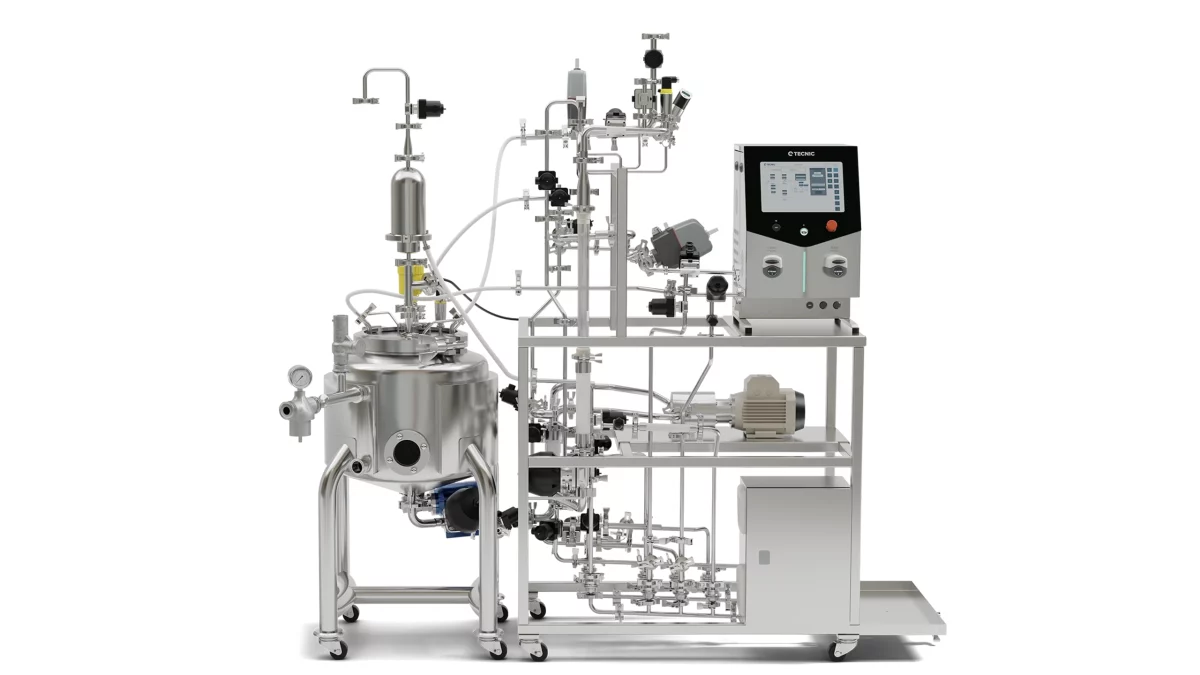
The same bioreactor can support both process types, but the operating philosophy is very different once oxygen demand and shear sensitivity are considered.
Shear stress and culture sensitivity
Shear stress is one of the clearest practical differences between microbial and cell-based processes. Bacteria and yeasts are usually much more robust because of their size and, in many cases, stronger cell-wall structure. That allows stronger agitation and higher gas flow without major loss of viability.
Mammalian cells are much more vulnerable to turbulence, sparging and local energy dissipation. That is why cell-culture processes often rely on gentler impellers, softer aeration strategies and tighter control of hydrodynamics.
Growth rate and productivity
A major difference is speed. Microbial cultures can double very quickly and often reach very high cell densities in a short time. That makes them highly attractive for enzymes, metabolites and simpler recombinant proteins.
Cell culture is usually much slower, with lower cell densities and longer run times. Even so, it is essential for more complex products such as monoclonal antibodies, viral vectors and other molecules that need eukaryotic cellular machinery.
Fast, high-density and often highly productive in short fermentation windows.
Slower, lower-density and more dependent on process stability over multiple days.
Microbes favor speed and simplicity, cells favor complexity and post-translational capability.
Scale-up considerations
Scale-up also follows a different logic in each case. Microbial systems are often easier to push toward very large working volumes because the organisms are robust and tolerate stronger agitation, higher oxygen-transfer demand and more aggressive heat-removal strategies.
Cell culture is usually more scale-sensitive. The challenge is not only achieving homogeneity, but doing so without harming viability. That often means gentler aeration, lower-shear impellers and closer attention to mixing quality across the whole vessel.
Microbial scale-up is often limited by oxygen and heat removal, while cell-culture scale-up is often limited by how much hydrodynamic stress the biology can tolerate.
Comparative table of key characteristics
The table below summarizes the practical differences between microbial culture and cell culture in stirred-tank bioreactors.
| Characteristic | Microbial culture | Cell culture |
|---|---|---|
| Typical organism | Bacteria and yeasts | Mammalian, insect or plant cells |
| Cell size | Smaller | Larger |
| Media complexity | Usually simpler | Usually much more complex |
| Growth rate | Fast | Slow |
| Shear tolerance | Higher | Lower |
| Oxygen demand | Often very high | Important, but delivered more gently |
| Agitation strategy | High-power mixing often acceptable | Low-shear mixing often preferred |
| Typical products | Enzymes, metabolites, simpler recombinant proteins | Monoclonal antibodies, viral vectors, complex glycoproteins |
| Scale-up behavior | Often easier to push to very large scale | More sensitive to hydrodynamic changes |
| Relative cost | Usually lower | Usually higher |
How TECNIC fits this workflow
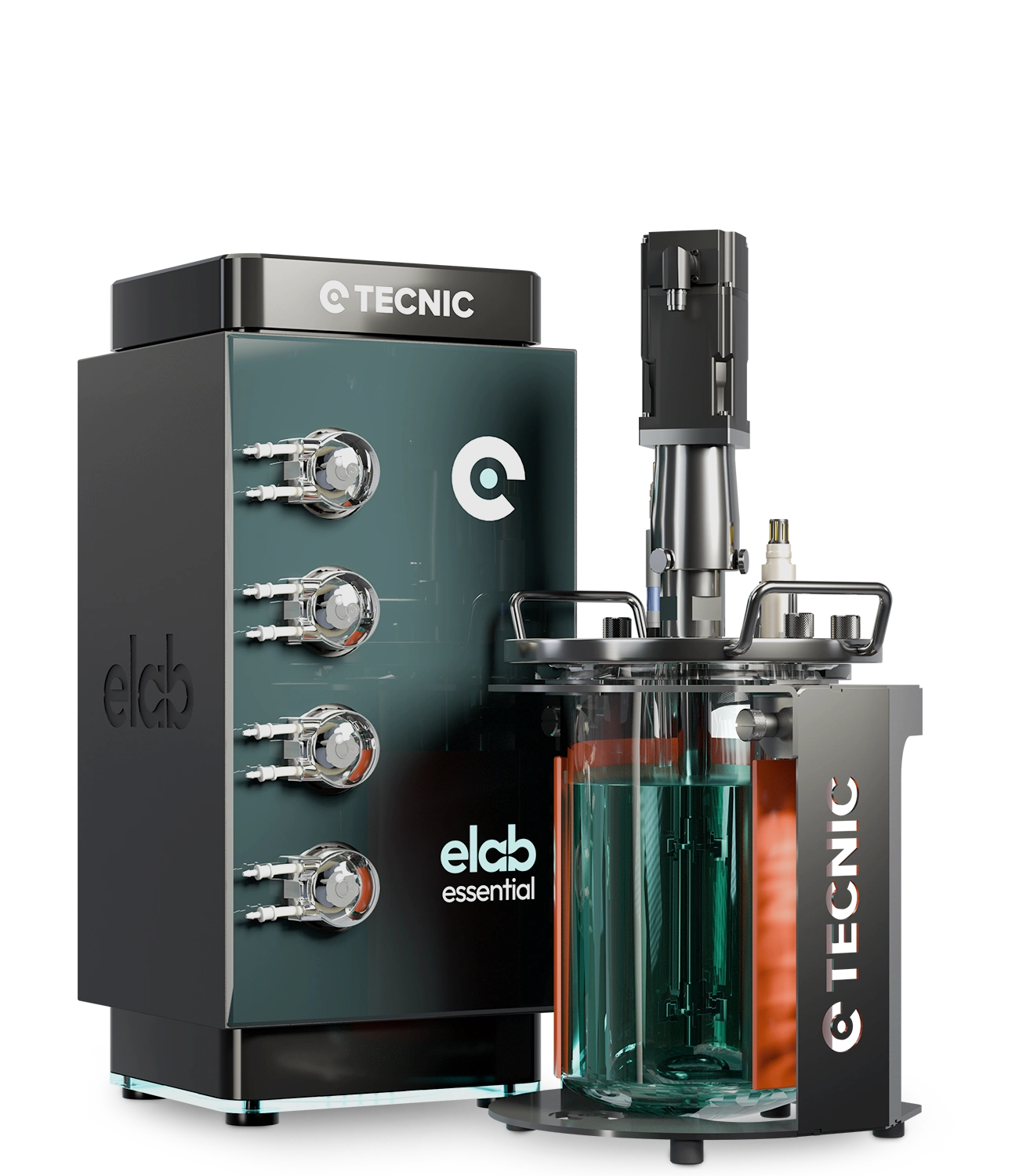
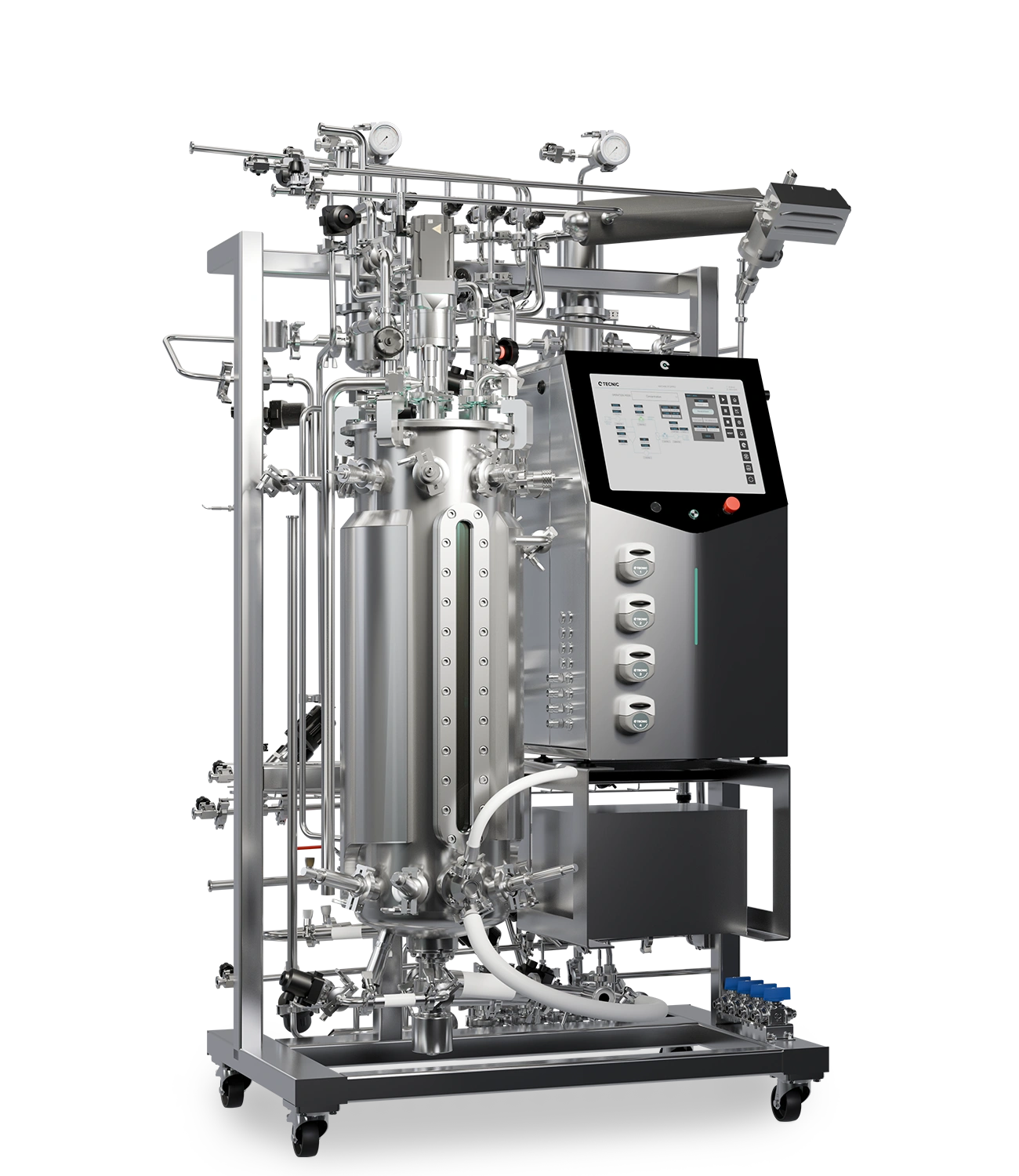
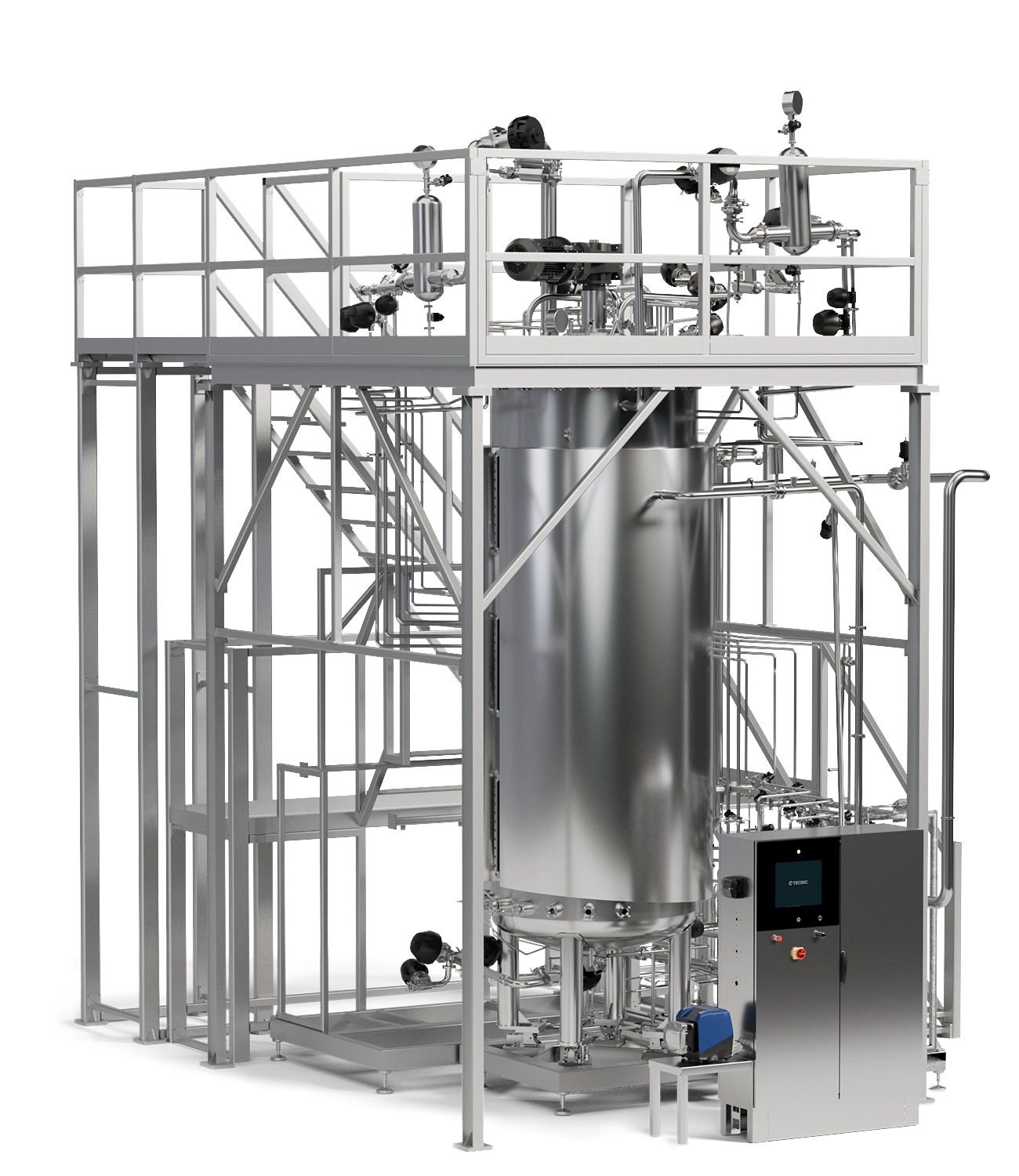
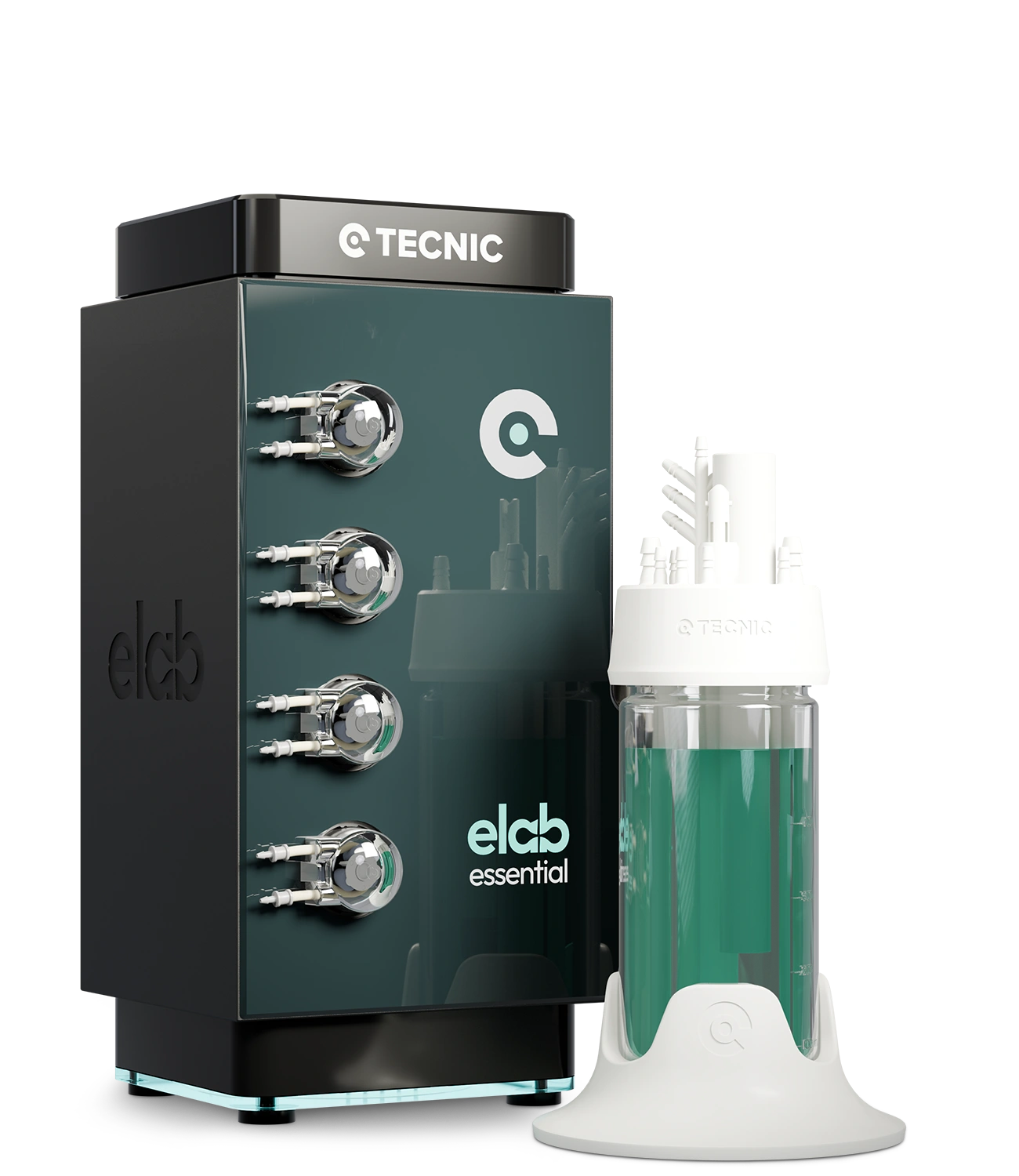
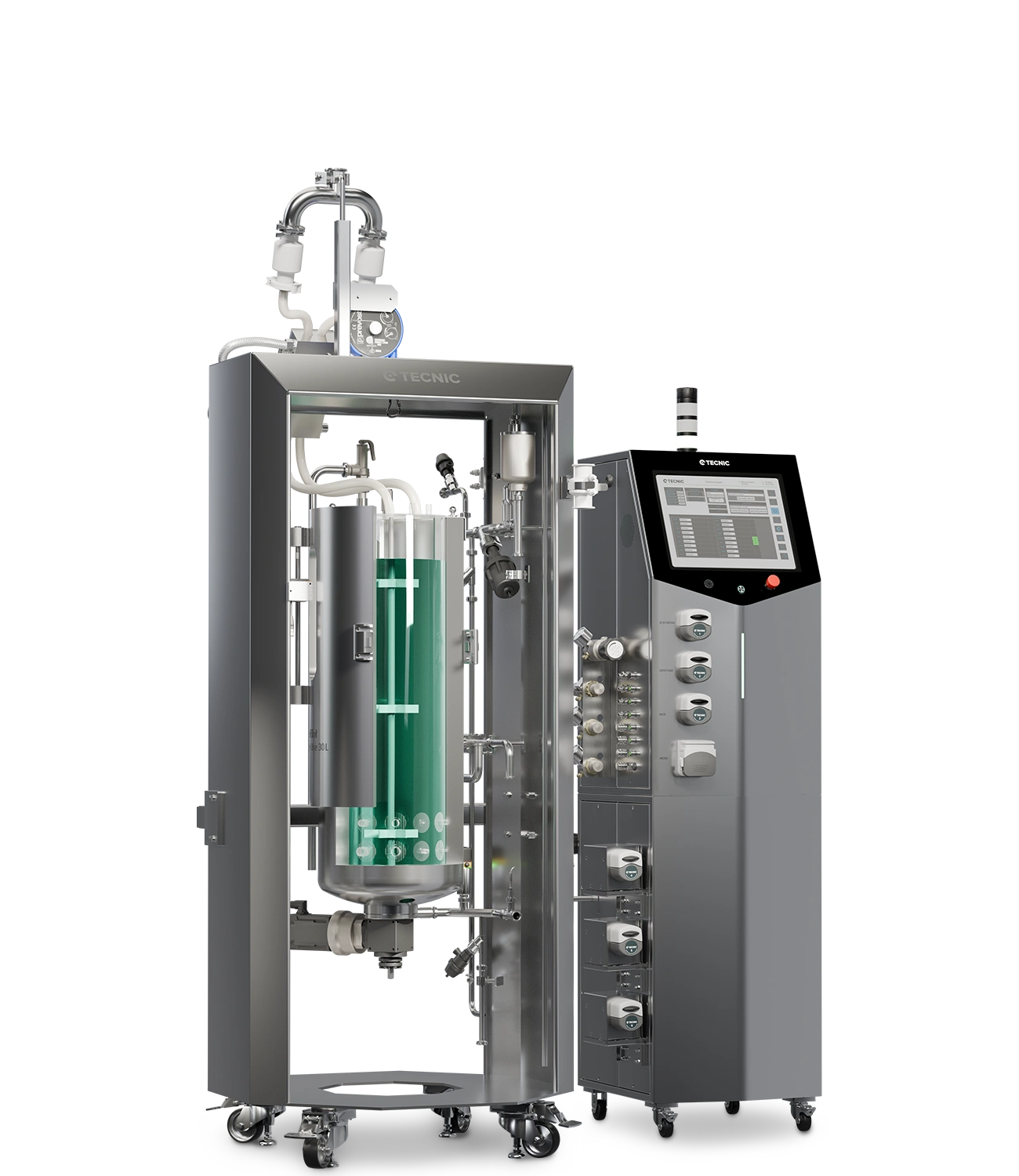
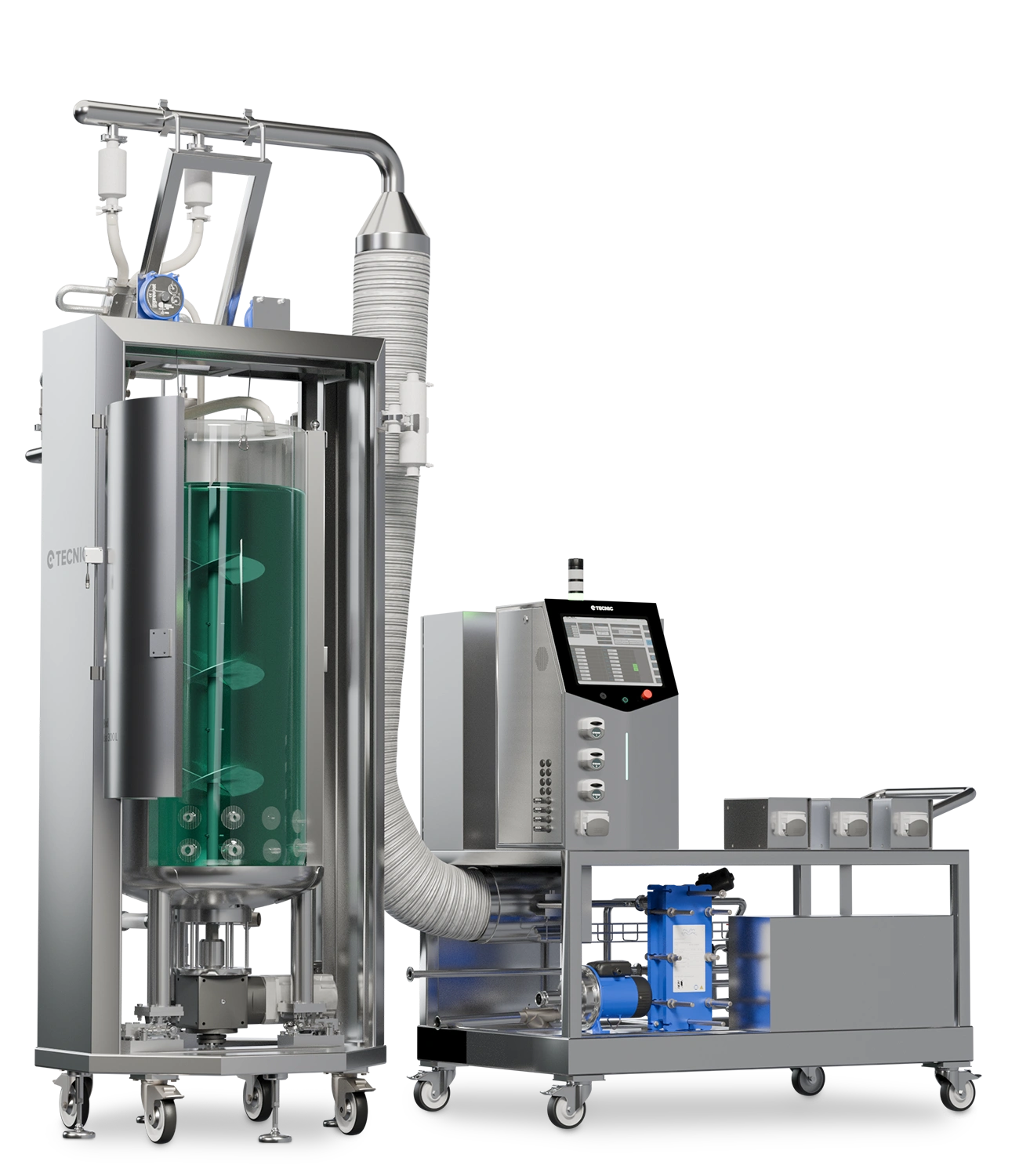
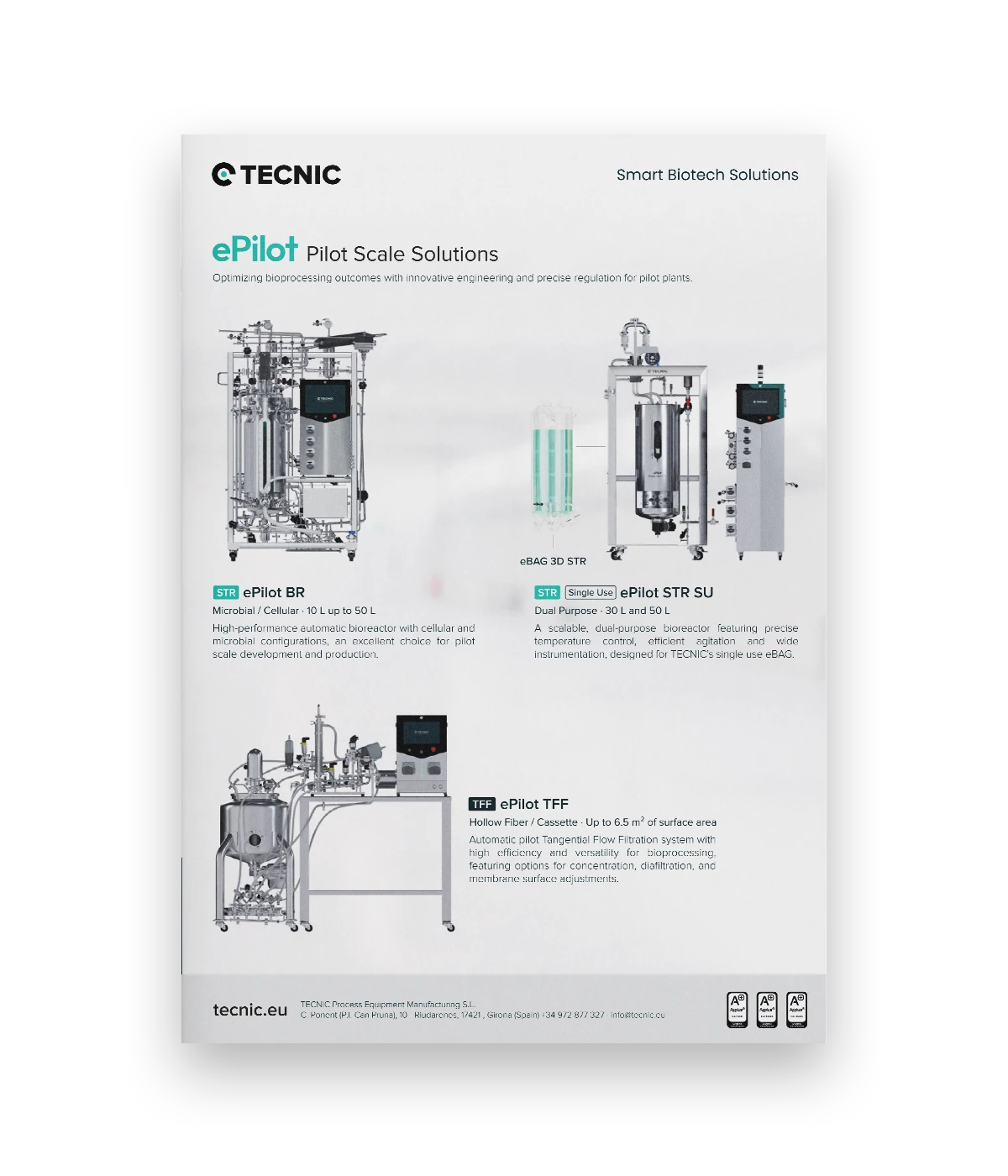
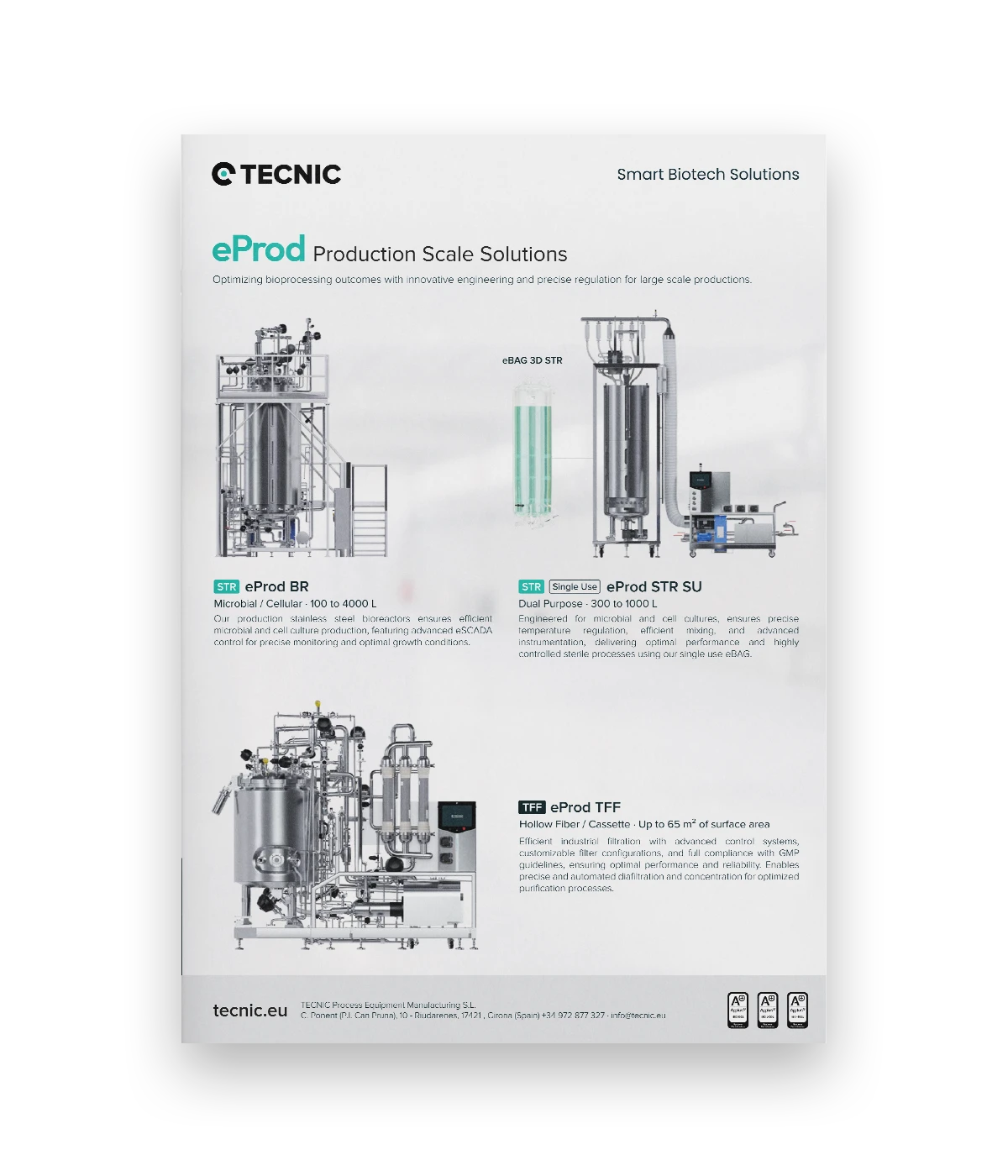
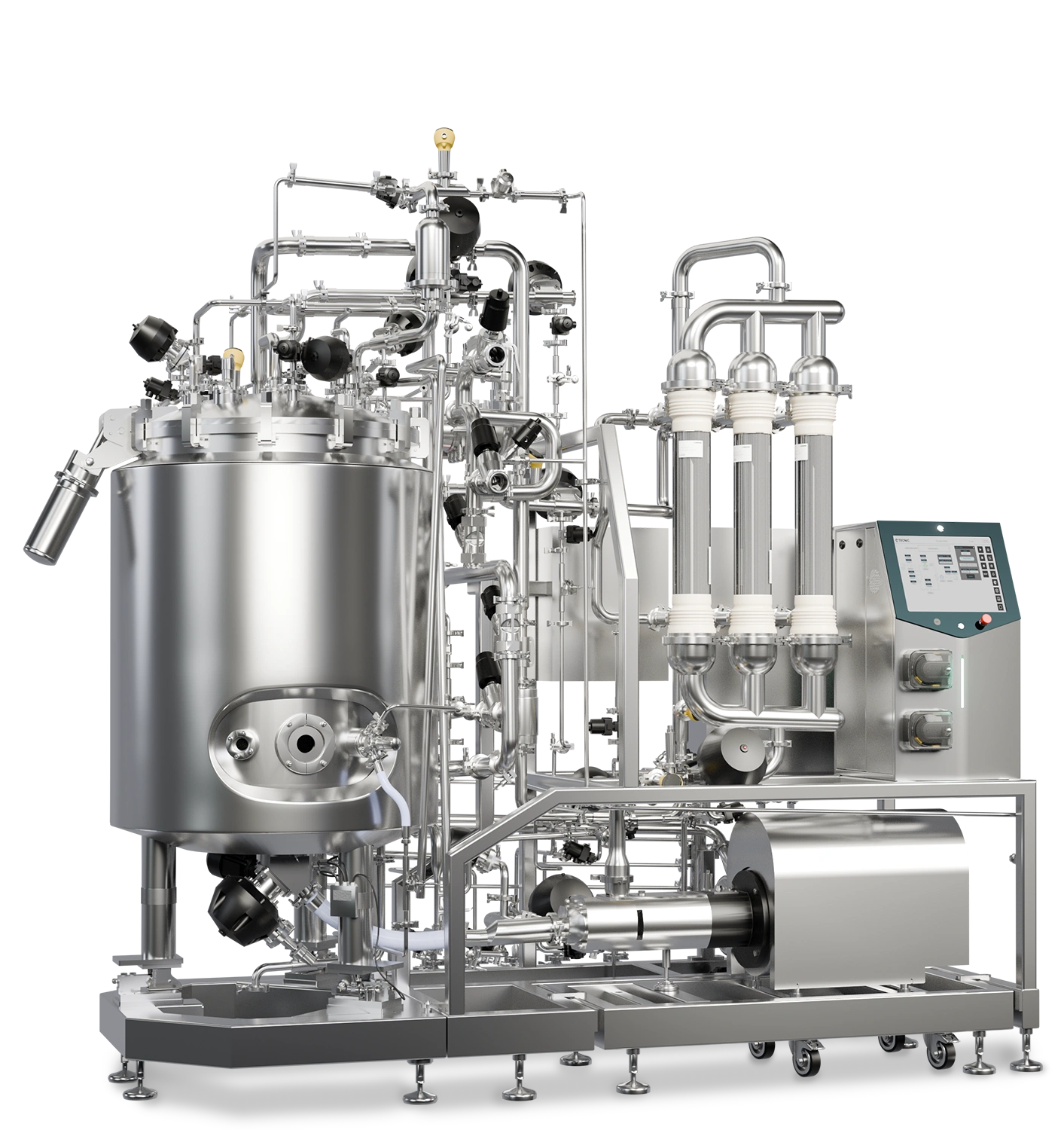
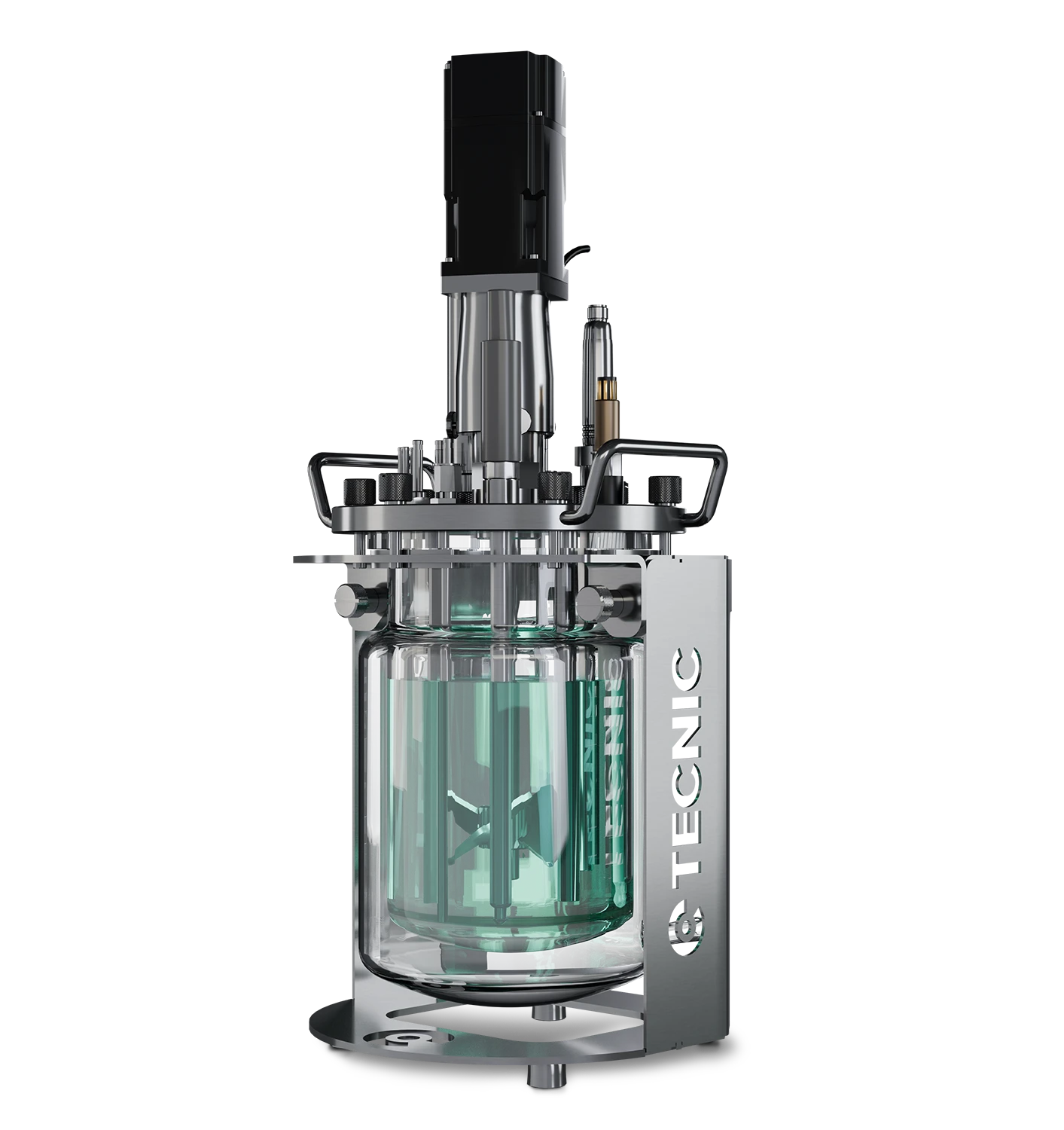
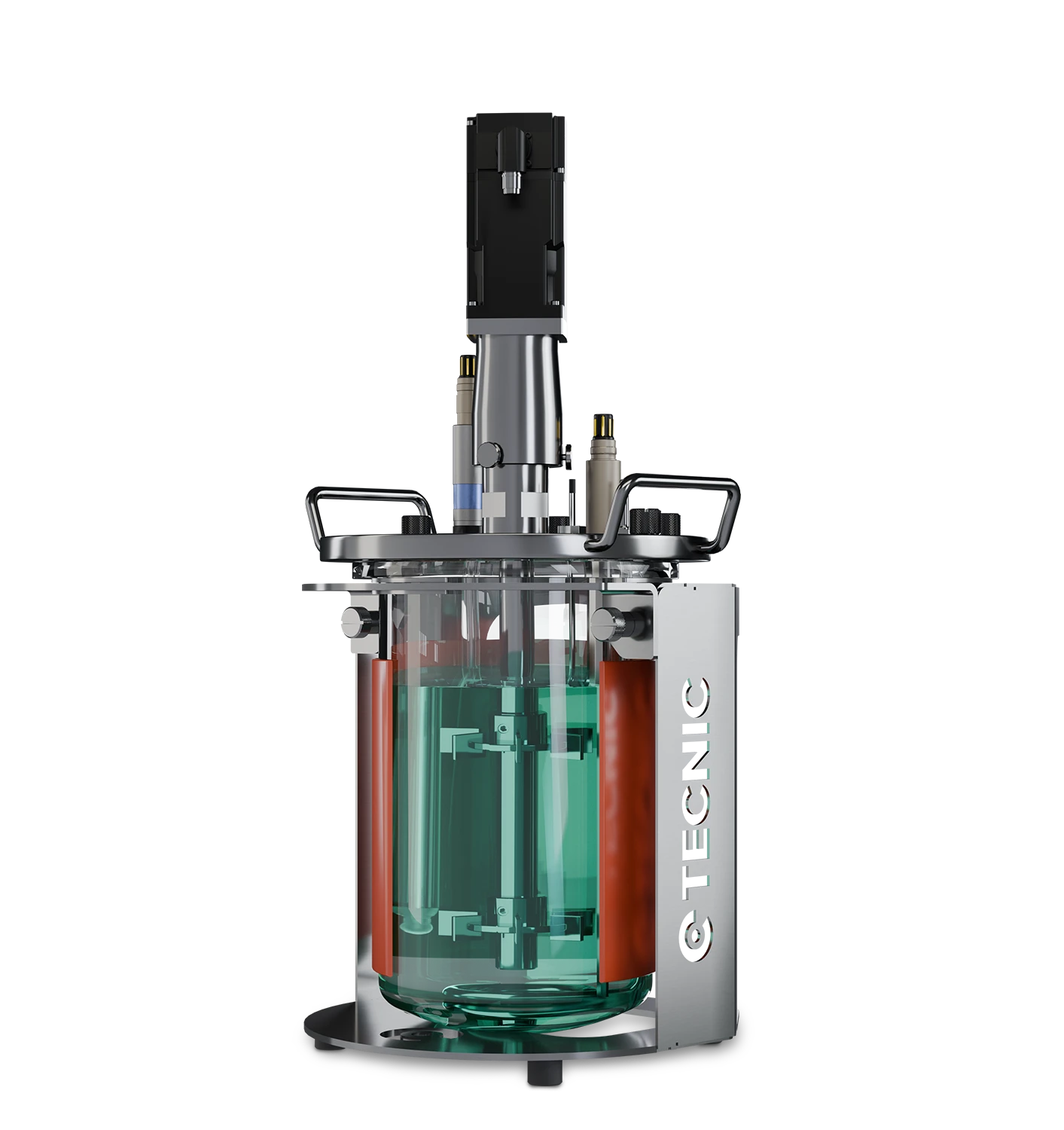
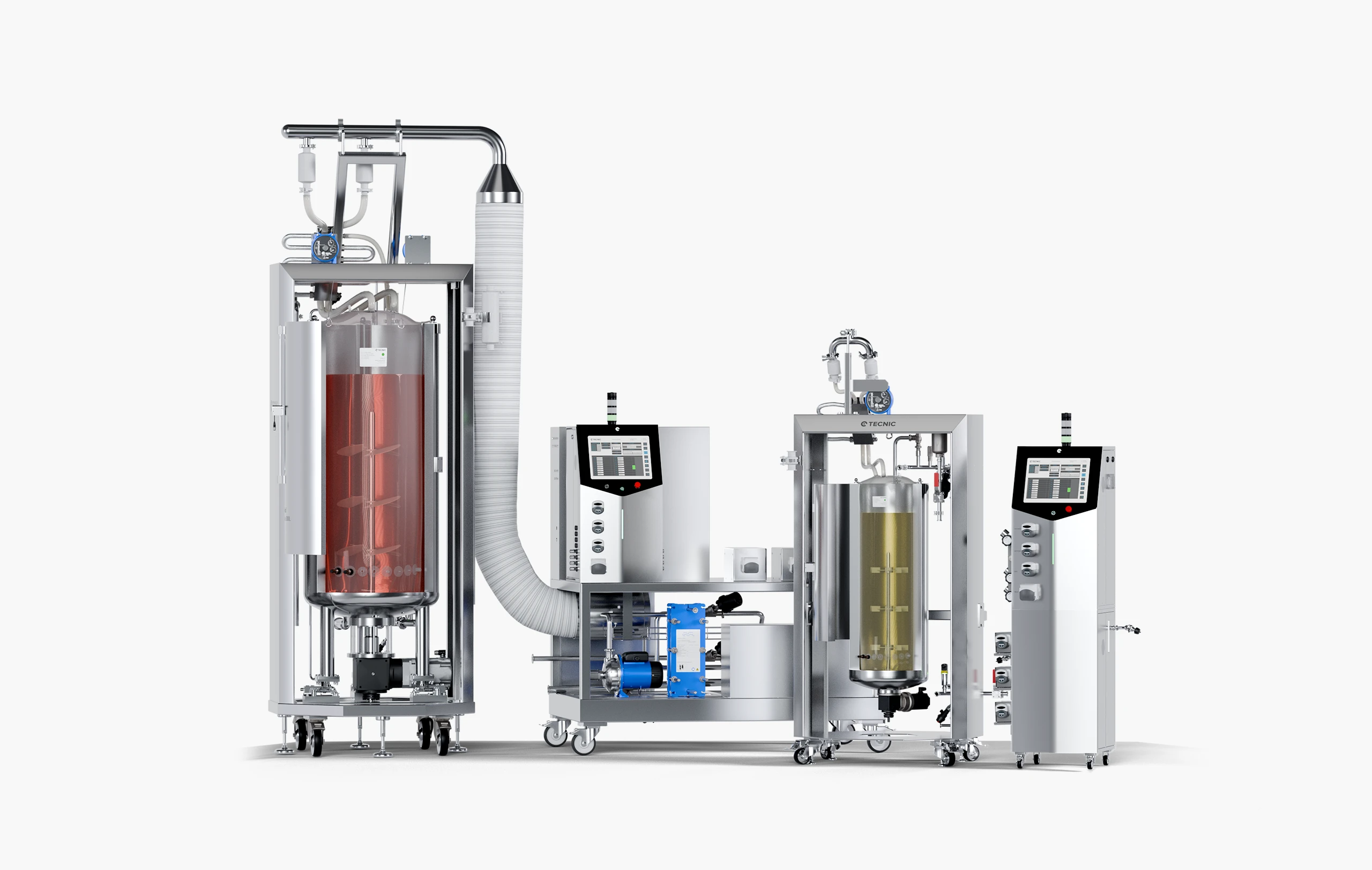
TECNIC fits this comparison directly because its bioreactor range supports both microbial fermentation and cell culture from development to production. That means the platform can be adapted to very different oxygen-transfer, agitation and scale-up needs depending on the biology.
Bioreactors
Relevant when microbial and cell-based processes need to be compared across a common stirred-tank platform.
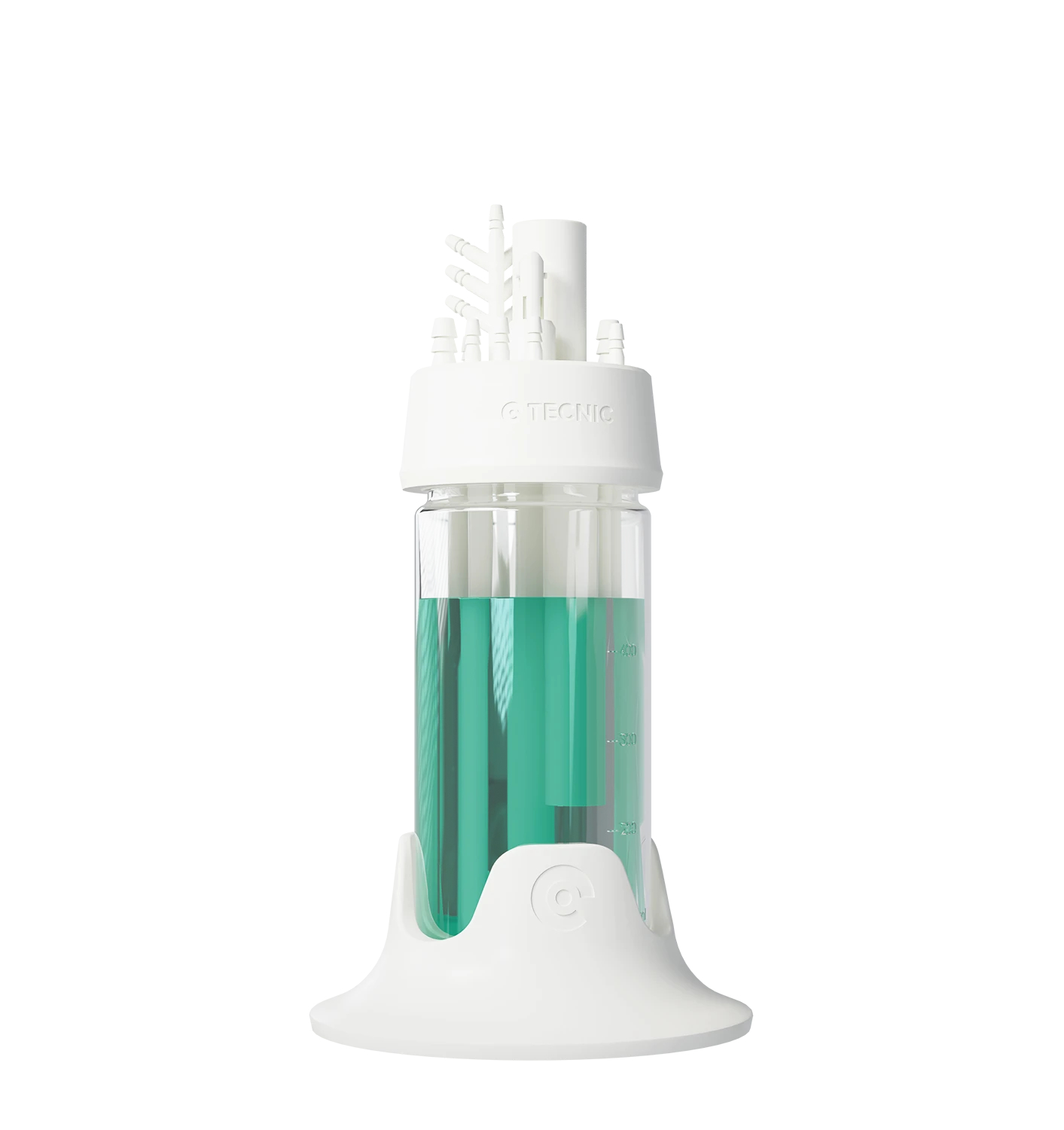
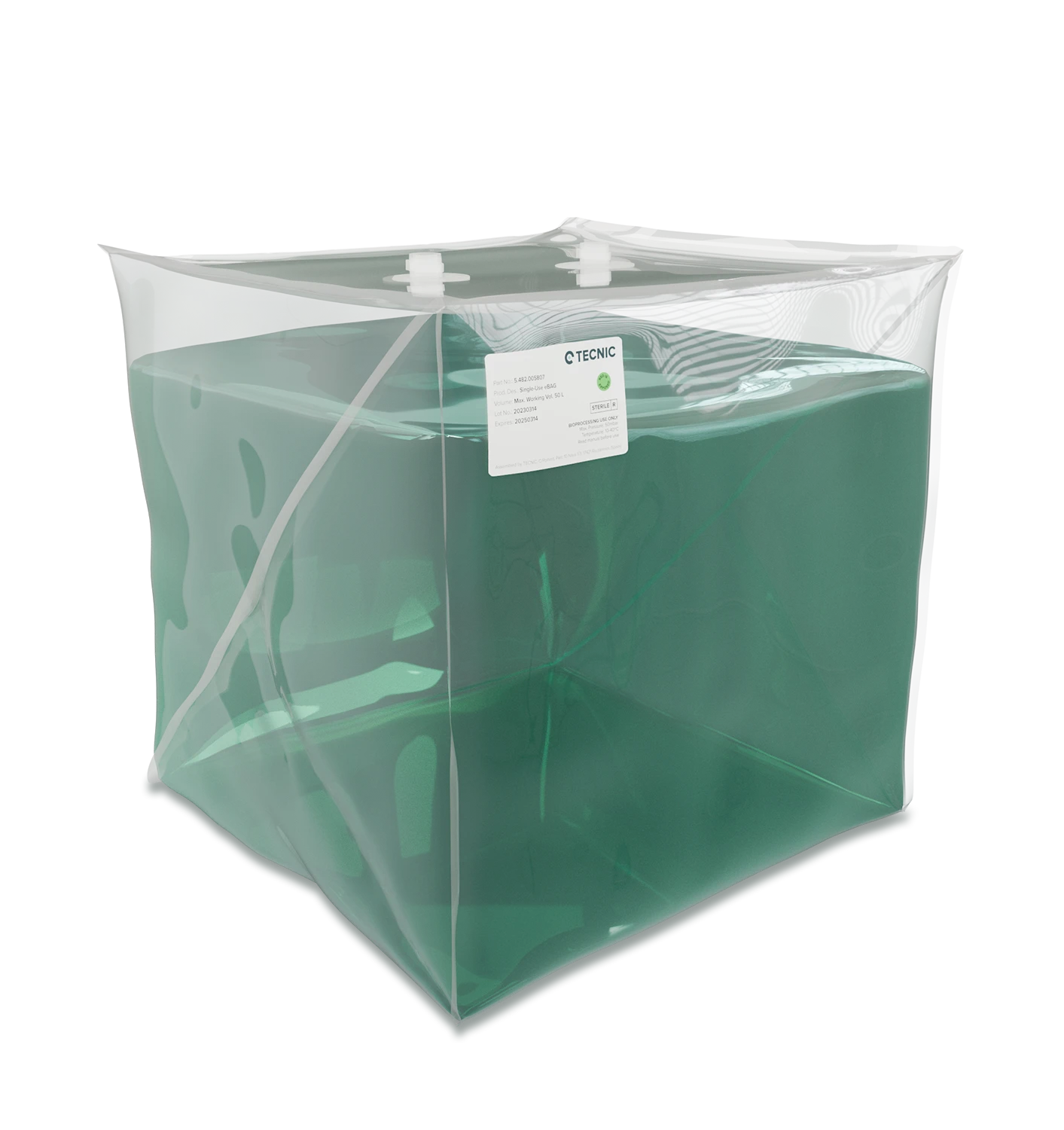
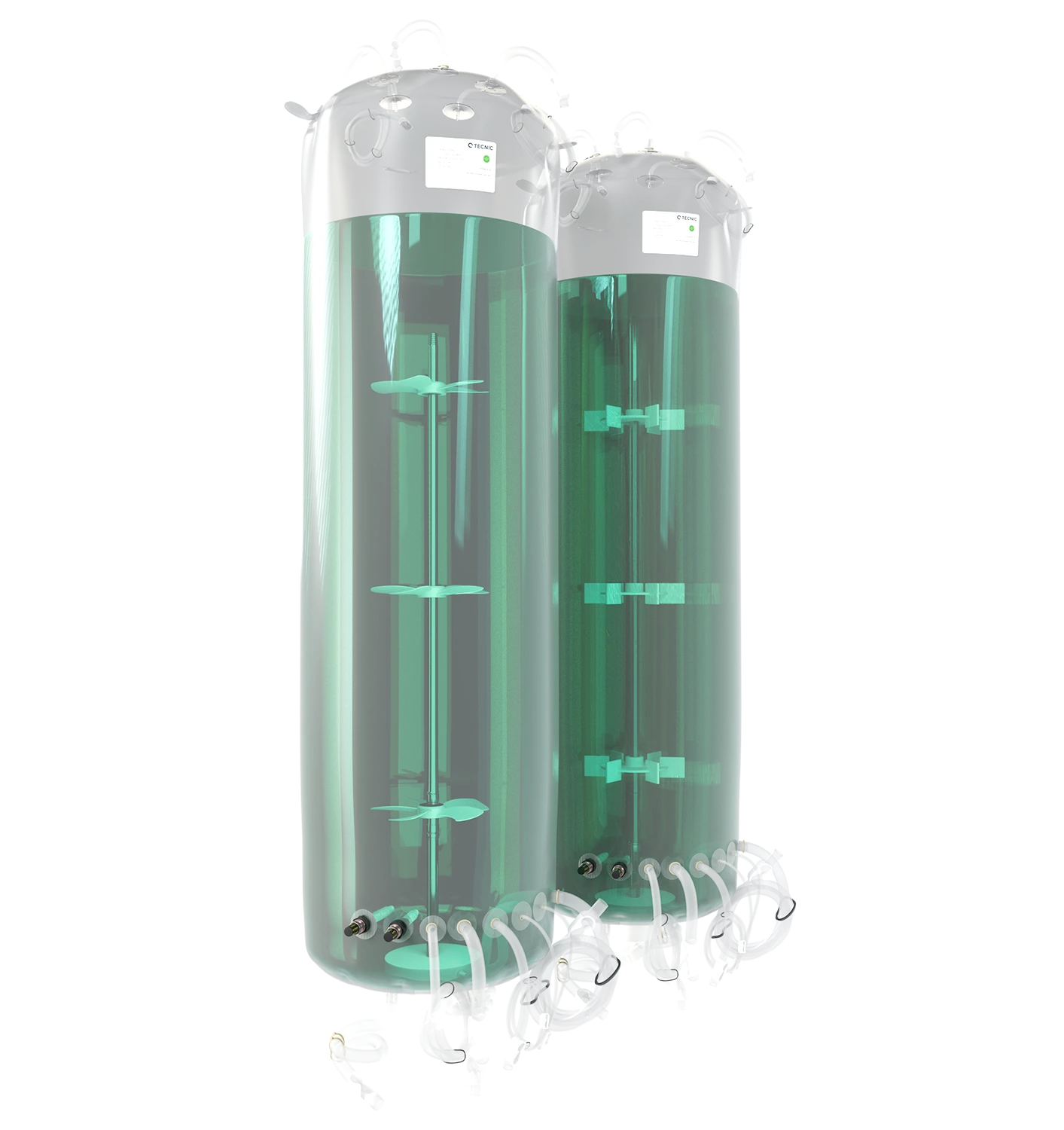
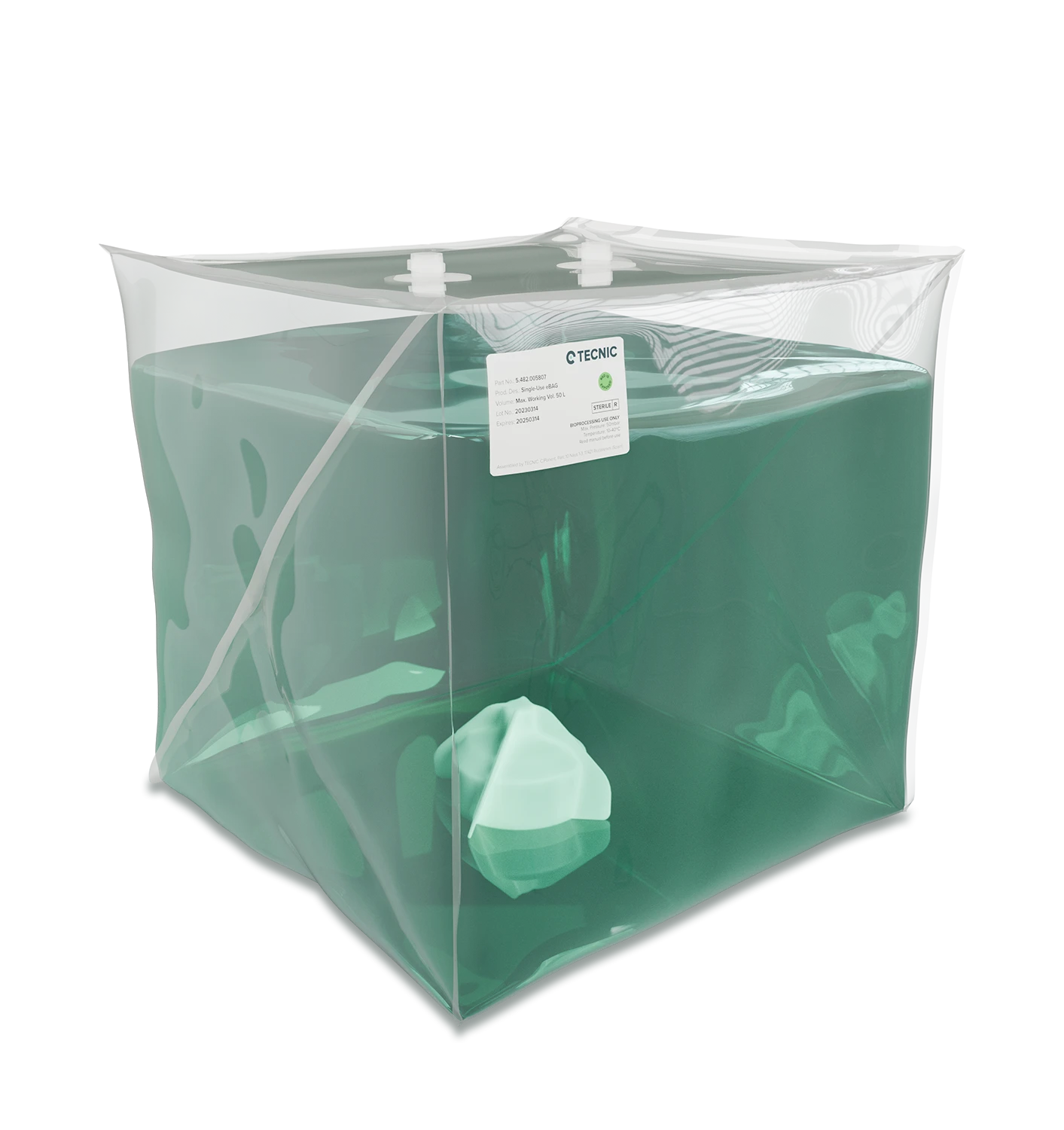
Single-use bioreactors
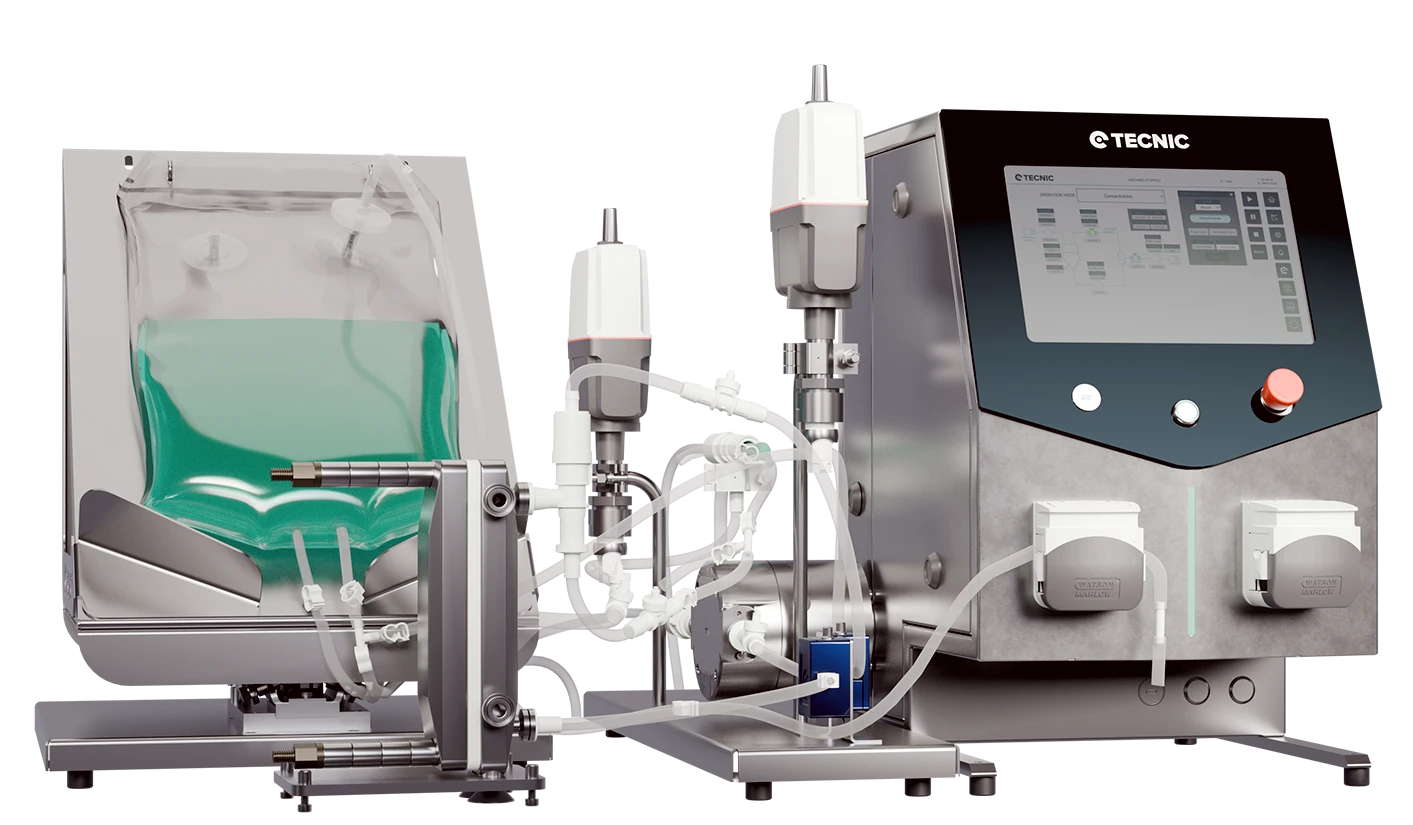
Especially relevant in cell culture, where flexibility, sterility and gentler operating strategies are often important.
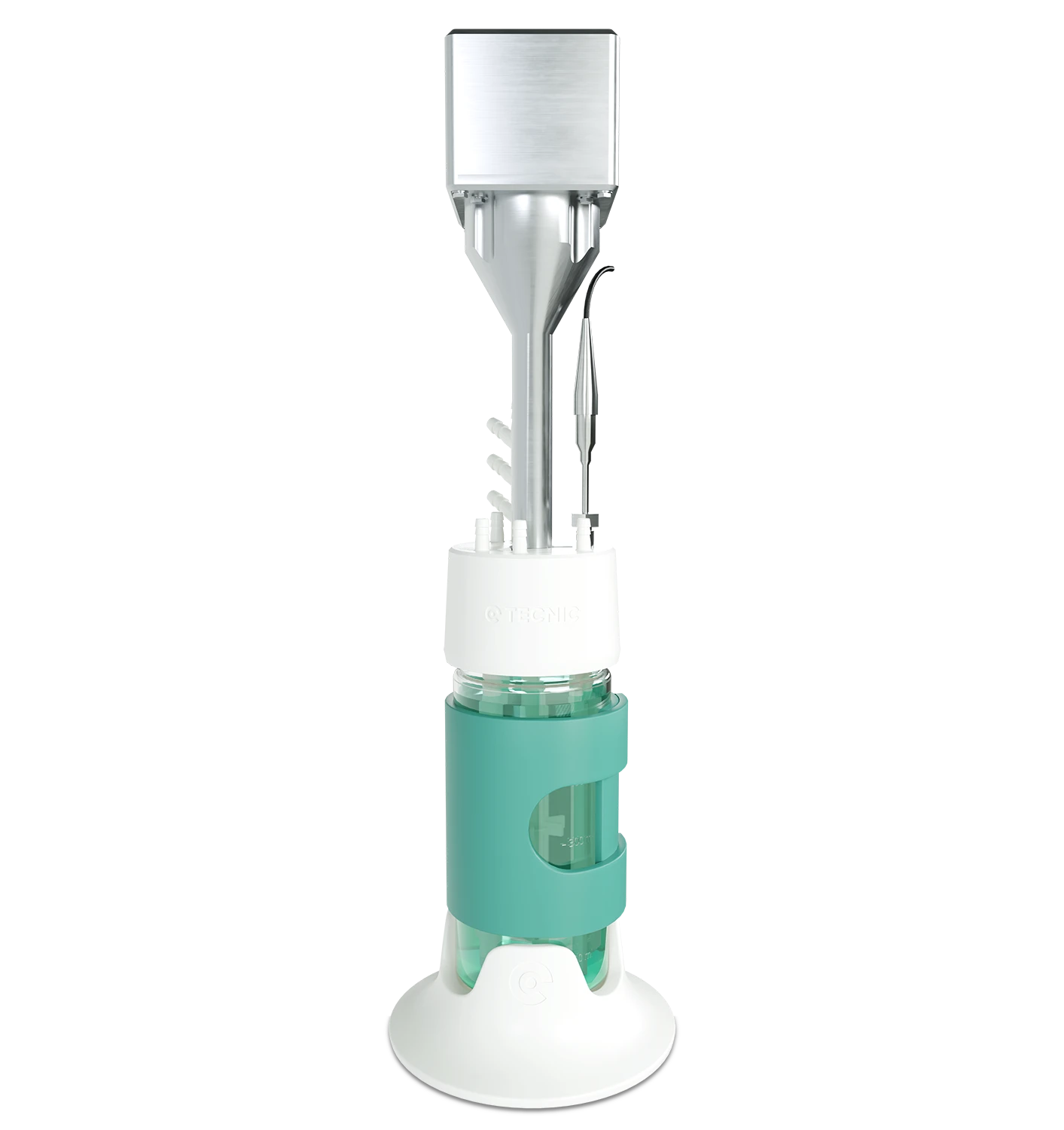
ePilot and scale-up context
Useful when the goal is to preserve process logic while moving from development to more representative pilot conditions.
Contact TECNIC
When microbial and cell-culture workflows need different oxygen-transfer or agitation strategies, direct technical discussion is more useful than a generic platform overview.
This article works best when microbial culture and cell culture are framed as two distinct operating philosophies built on the same stirred-tank foundation.
Frequently asked questions
What is the main difference between microbial culture and cell culture in bioreactors?
Microbial culture is usually faster, more tolerant to shear and often needs higher oxygen transfer. Cell culture is slower, more sensitive and needs gentler hydrodynamics and tighter control.
Why is oxygen transfer often harder in microbial fermentation?
Because many microbial systems grow and metabolize quickly, which creates strong oxygen demand that must be matched by agitation and aeration.
Why are mammalian cells more sensitive to shear than bacteria or yeast?
Mammalian cells are structurally more delicate and can be damaged by strong turbulence, harsh sparging and high local energy dissipation.
What products are typically made with microbial culture versus cell culture?
Microbial culture is commonly used for enzymes, metabolites and simpler recombinant proteins, while cell culture is used for monoclonal antibodies, viral vectors and other complex biologics.
Is cell-culture scale-up always smaller than microbial scale-up?
It is often more limited and more sensitive, because the main challenge is maintaining homogeneity without harming the cells.
Comparing microbial and cell-culture workflows for your next bioreactor process?
Explore TECNIC’s bioreactor solutions or speak with our team to review the right platform and operating strategy for your biology and scale-up path.